
Buying a Motorcycle for the Compulsive or Impulsive- Part I
It's been so long now that I hardly remember what it feels like to not have a motorcycle. Back then, I knew exactly two things about motorcycles. One, they were dangerous. So dangerous, in fact, that my family of anal-retentive Ashkenazi couldn't claim ownership of even one in the last 100 years. Riding a motorcycle, in my grandmother's eyes at least, is an experience only slightly less foolhardy than selling Israel Bonds at a Klan rally. The other thing I knew was that I wanted one. Unfortunately, I didn't know the first thing about motorcycles. I knew they had two wheels and that they were different from cars, but I didn't know anybody who knew a thing about them. So what did I do? I bought the first one I saw.
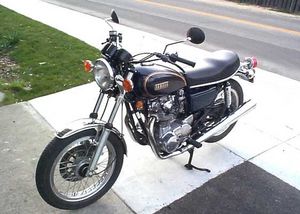
That actually worked out pretty well for me. Back in the late 80's, when I bought my first bike, there was a massive glut of cheap, reliable used motorcycles, the result of Honda and Yamaha's battle for market share in the late 70's and early 80's. I bought a 5 year old Yamaha XS650 from a dealer for the whopping sum of $999. It had 1200 miles on it and ran perfectly for as long as I had it, even though it was heavy and buzzy and a nightmare to tour on.
I knew they had two wheels and that they were different from cars, but I didn't know anybody who knew a thing about them. So what did I do? I bought the first one I saw.
Because of a changed market and the aging of the motorcycle consumer, there are also fewer small displacement bikes out there for novice riders. New dealers generally push 600cc supersport machines or big, heavy cruisers on first-timers as their first bikes, with the predictable side effect of a large pool of abused, crashed 600cc sport bikes and scuffed-up, low mileage cruisers out there waiting for unwary buyers.
I want to give you the tools you need to decide what kind of bike to buy, how to find the best bike, how to get the best price, and how to make sure you don't get ripped off.
I've worked professionally in "Powersports" for over three years and have personally bought about 50 motorcycles. I've sold over 300. I've seen people make a lot of mistakes, and I've made a lot of mistakes myself. With that perspective, I'm going to try to keep you from making some of those errors and convert you into a successful, happy motorcyclist, in it for the long haul.
Step One: Can I Ride a Motorcycle?
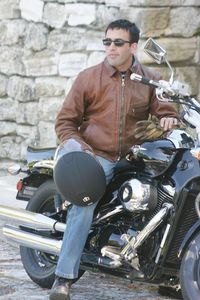
It's a condescending question, sure, but can you? Motorcycling is a skill that requires a certain basic level of coordination, balance and reflexes. If you can't learn to ride a bicycle, or you can't drive a car, please reconsider. Motorcycling is fun until you crash!
Also, can you legally ride a motorcycle? Check your state's licensing laws. Are you old enough? Can you get a license? Do you have a DUI and a license suspension? Can you deal with wearing a helmet? Do you have medical insurance? Can you afford to insure the bike you want? Will your spouse file for divorce if you show up at home on a motorcycle? There are lots of issues you should consider first. Sure, you can buy the bike first and work them out later, but a little forethought here can save you a lot of trouble! Every salesperson has at least one story about a bike he or she sold and then had to buy back (at a big loss to the customer) because they couldn't keep it for some reason. Don't let that happen to you!
The best place to start is the friendly folks at the Motorcycle Safety Foundation. You can check them out here. They will teach you the basics. Better yet, they will teach you the basics on their bikes and with their helmets, saving you money by letting you scratch their motorcycles instead of yours. That's worth the $200 the class costs right there. You will drop your first bike while you're learning. Oh yes, you will.
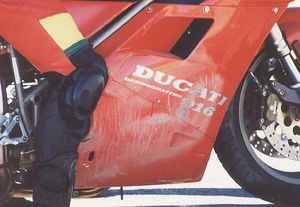
Think about it. Would you walk yourself down to the Bell Helicopter dealership, write a check, and try to fly a new helicopter home without knowing how to fly it? I don't think so. So why do people regard a motorcycle any differently? I don't know. But I do know there are lots and lots of stories about the idiot who plunked down $10,000 for the latest, hottest superbike in the store and then crashed it in the parking lot with half the dealership watching. Every dealership has about two a week of these guys (and gals, oh yes indeed!) during the summer. Don't let it be you! Play MotoGP on your PlayStation in the meantime, but learn how to ride before you get the bike. Unless you're buying it from me, in which case you can learn after I get my money. Just kidding. Sort of.

More by Gabe Ets-Hokin







Comments
Join the conversation